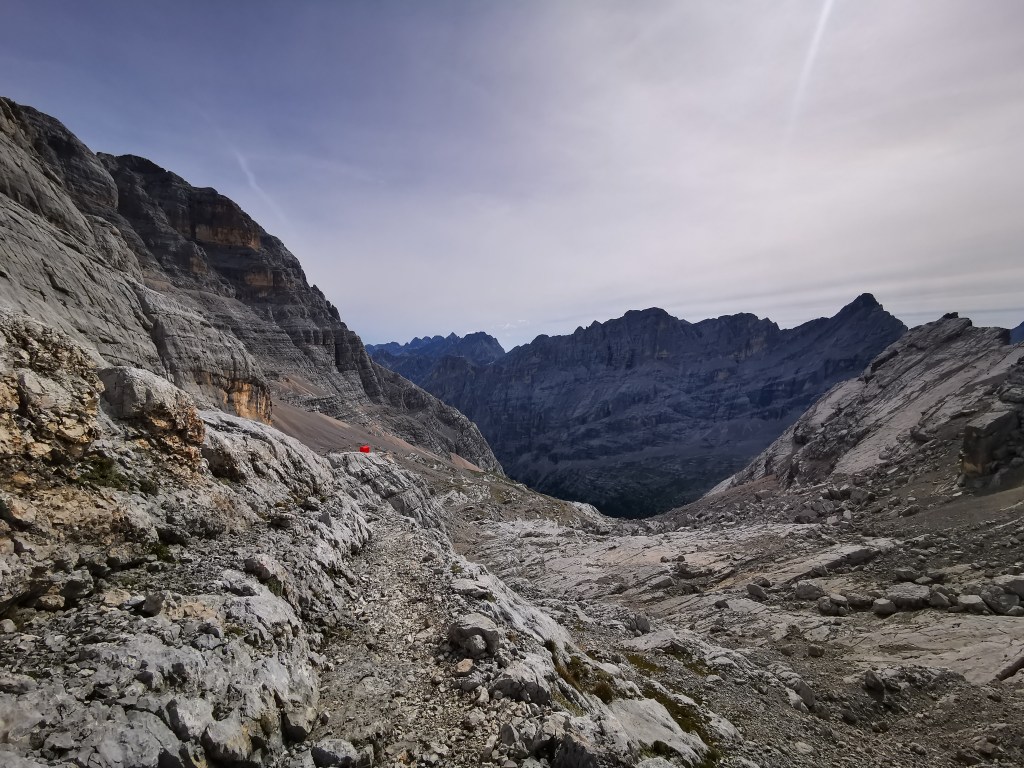
Join me on this post taking us over my training philosophy, learnings and races of 2024.
1. Connecting with running
2. My first running session
3. The Training Philosophy: Keep It Simple, Stay Consistent
4. Learning to Fuel: My Carb Comeback
5. Lisbon’s marathon
6. Zevenheuvelnloop
7. Utrecht Heuvelrug Ultra Trail
8. The Numbers Don’t Lie: My 2024 Running Data
9. What 2024 Taught Me About Running
Connecting with running
I always knew that at a certain moment of my life I would run as my main sport. During my twenties I ignored this call of life. I perceived that time as a period to make use of my explosiveness and power availability, thus dedicating myself mostly to more power-focused sports like fitness and bouldering/climbing.
During a (lead) climbing session in May 2024 at the Klimmuur Utrecht, I fell while trying to clip myself to the last bolt. It was a sketchy traverse on an area that I had never felt comfortable climbing and I ended up hitting the side wall. To protect myself, I placed my left hand between the wall and my body, crushing it in-between the two. The immediate pain was not too bad, although I was forced to stop with climbing right away. Despite having pain and limited mobility, I didn’t go to the doctor and decided to heal it myself, as the pain seemed to slowly fade-out as long as I gave it enough rest. Forced to climb less, I started doing more workouts at home and my mind started thinking about what else I could do to keep myself active.
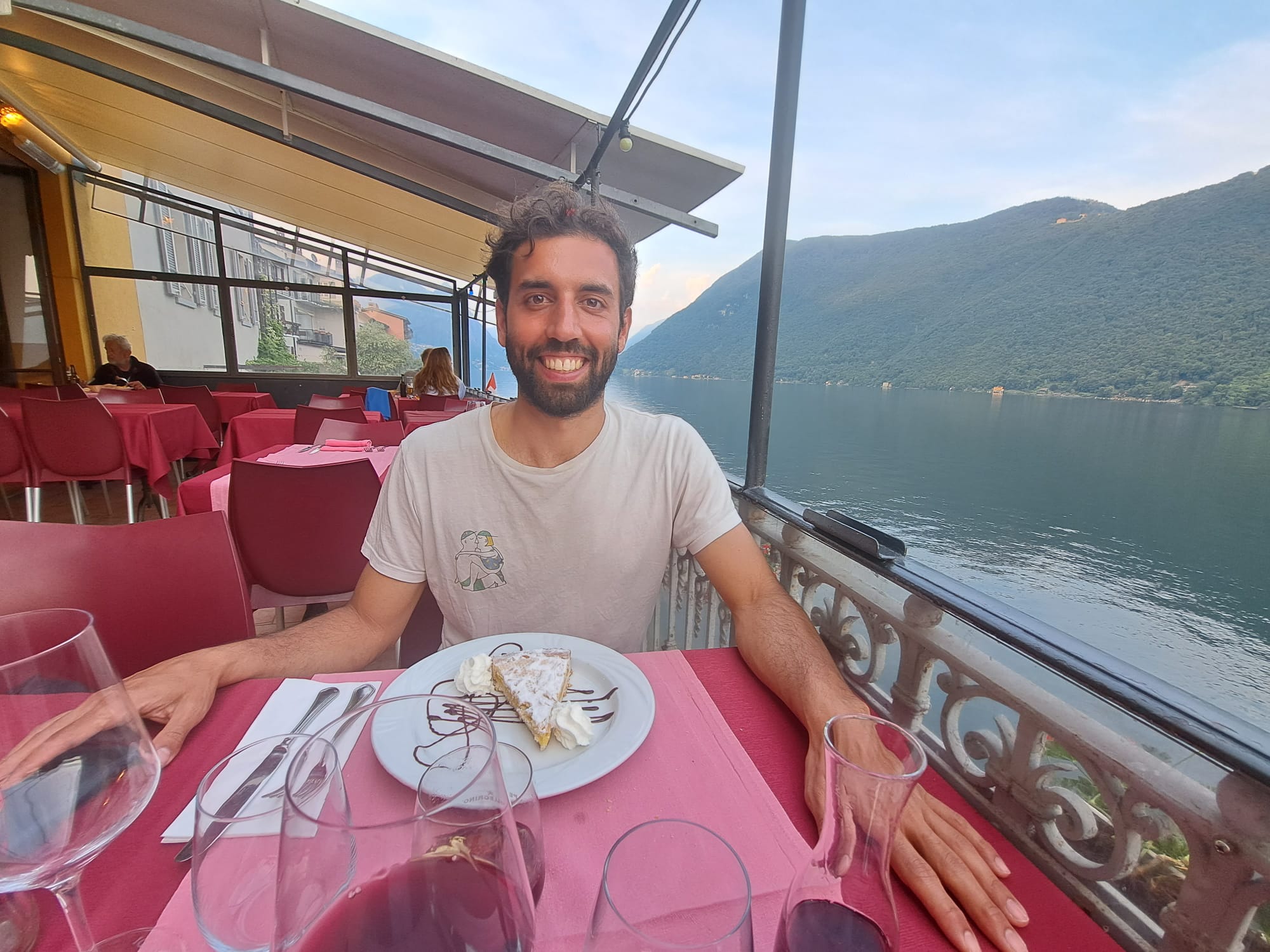
This coincided with Fanny and me leaving on a hiking trip to Switzerland. During that time, my connection with hiking and being in Nature was strengthened. This is the moment, I thought: I was about to turn 30, finally had the mental space to try a new sport and I always wanted to run. I decided during our dinner at Antico, that I was going to run Lisbon’s marathon in October that year. The plan made sense: do a marathon because I couldn’t boulder/climb, I still had enough time to train ( four months) and afterwards I would be healed from the hand and could happily go back to bouldering and climbing.
My first running session
📍 Along the canal in Utrecht, Netherlands | 🏃 5.2km | ⛰️ Flat as can be | ⏱️ 30m 39s View on Strava →
I still remember the first sessions, all the stored muscle memory of years and years spent running outside on the football fields being brought alive. I was fortunate enough to have a perfectly flat and traffic-free area where I could run:it was alongside one of those typical Dutch canals, the fresh air with that distinct smell of water and cut grass, the path smooth under my feet as cyclists whooshed past. It provided me a playground where I could be in for hours on end as it was an almost perfect straight line of 42 kilometers until Amsterdam. It was also during this time I realized how good the Netherlands actually is for someone who loves road running: due to all the existing cycling infrastructure and culture, it is very easy to quickly be on good quality asphalt and run for hours without having to worry about cars or traffic-lights.
The Training Philosophy: Keep It Simple, Stay Consistent
Typical of me, once I started running I also started binging on running content. From all my fitness, yoga and bouldering years, I learned that having a structured approach to training was paramount not only to have some kind of success, but also to be able to do the sport long term without injuries. Making use of all amazing free content available online, I got familiar with the importance of fueling (I would have to eat while running!), hydration, the different types of training and much more. Moreover, I tried to apply some of the basic principles of what years of sports had taught me:
Avoid getting injured – sounds easy and logical, right? Fortunately, throughout my sports life I have been injured very rarely and even when it happened, I could keep myself active by switching sports or doing some modifications. Although there’s a luck component to it, I think it also has to do with adopting certain behaviors and making certain choices at key moments.
For instance, it’s important to have a feeling about when one should push and go over the limits; when to prioritize overloading the body over sleep and recovery; when it’s ok to take risks.
I prefer to adopt behaviors that allow me to do what I love until the rest of my life, my mind prioritizes the long-term benefits over the short-term rewards. And if I am injured, I cannot do what I love the most, impacting progress and my perception of what I do.
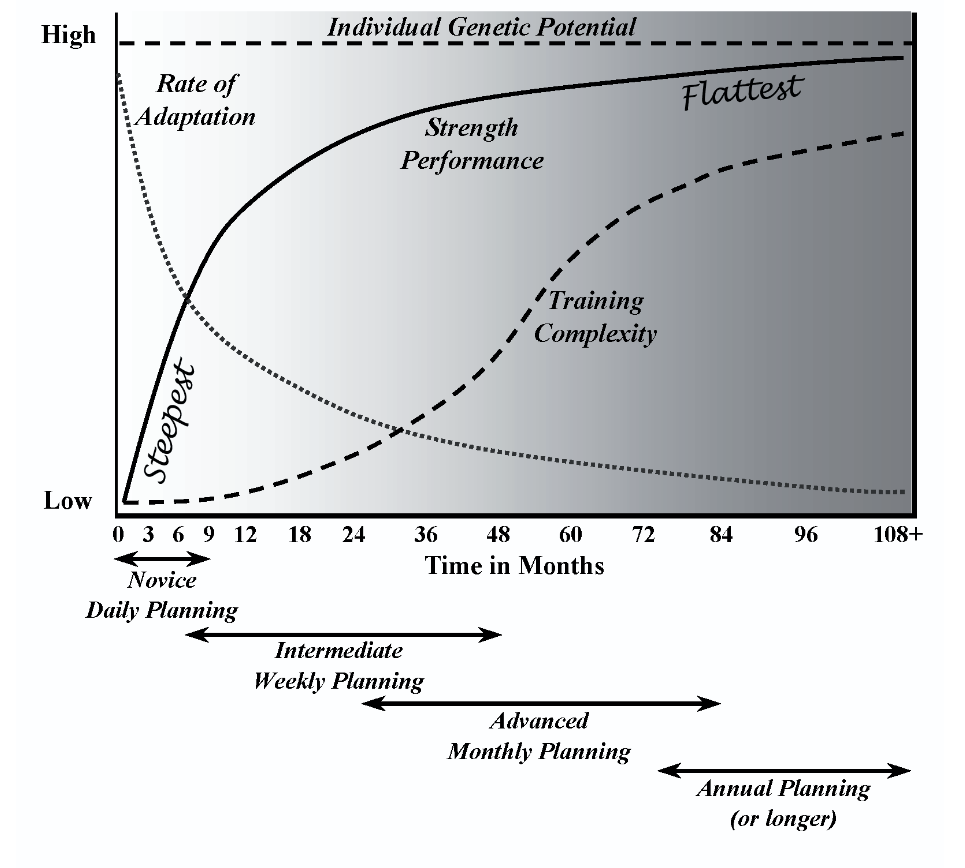
Keep It Simple Stupid (KISS) – one of the biggest take-away from reading Mark Rippetoe’s Starting Strength book is that the body of a beginner adapts very fast to all the stimuli that it receives. At the start, this can be as fast as 24 hours. This shows that more than having a complex plan with fancy types of runs, just putting the body under load will already bring you a long way at the beginning. I translated this into my running journey by focusing on running as much as possible. Yes, it’s important to have different types of sessions at different paces, but for someone who is beginning, “just” running consistently will already promote enough stimuli to make consistent progress.
Be consistent with your approach – something I took from my fitness years (and Mark Rippetoe) was how important it is to have a plan. It might be a bad plan, but having one and – more importantly – sticking to it for a certain time, will give you a framework that you can analyze and build/improve upon. Being consistent with your choices will help tremendously with pin-pointing what is working and what is holding you back.
Based on the above principles and what Garmin Coach planned for me (I created a plan with the watch based on a 3h30mins finish time), my training for Lisbon’s marathon mostly consisted of the following:
⁃ Prioritize volume and running over doing fast sessions
⁃ One long run a week with blocks focused on marathon pace
⁃ One interval/faster run once a week, if feeling ok to do so
⁃ One to two base runs a week: not care about the pace, do what feels comfortable for the day, usually was between 5:15 – 5:30/km
Overall, training went really well and I managed to consistently train every single week until the race. At the same time,towards the end of the preparation I noticed some of my body parts were feeling a bit sensitive, especially my ankles. I did some reading and the issue was very likely due to not doing any strength training. Therefore, I decided that if I was going to keep on running I would have to add some strength sessions once a week.
Learning to Fuel: My Carb Comeback
One of the aspects that has changed me the most since I have started running is what and when I eat. I have tried many different ways of eating and also eating patterns, from having a meal every two hours to only eating once a day. Before running, I had stabilized at eating mostly twice a day (fasting until lunch) and following a very low-carb diet, focusing mostly on getting the large portion of my calories from fat and protein. However, as my training sessions were getting longer and more intense, something inside me started changing: my body was craving carbs and I was really hungry in the morning!
Two feelings I had not had in years (and I was super happy about it). I confess that at the start I really struggled to give into it; I even did some long runs in which I was fueling only with pure coconut oil.
At the same time, I also feel that your body knows what it needs and I was receiving all signals that it was time to move on and accept the change. I welcomed potatoes, grains and fruits again into my diet, allowed myself to enjoy cake and if I was hungry in the morning I would just have breakfast.
I also learned a lot about how to fuel during running: why carbohydrates are important and relevant, the role of hydration and electrolytes. I practiced eating and drinking a handful of times before the race and although I thought I was ready, that couldn’t be further away from the truth.
Lisbon’s marathon
📍 Lisbon, Portugal | 🏃 42.2km | ⛰️ 156m | ⏱️ 3h 17m 37s View on Strava →
On the morning of my first marathon I was feeling great. The one week taper went really well and I was feeling light and energetic. I woke up early so that I could eat on time, take a small nap and go to the toilet. I was feeling so good that I had decided if things would be going well at halfway I was going to try to do sub-3hours… very naive of me.
To summarize my performance, I can say that on my marathon debut I made all classic mistakes beginners can make:
⁃ Start too fast
⁃ Not eat enough
⁃ Not drink enough (leading to a cramp)
The first 10 kilometers I was feeling unbeatable , running felt like flying. From there, I actually still felt good until the half-marathon distance, where things took the wrong turn… I cannot remember exactly what happened, but from kilometer 24 I could not eat anymore. I think it was a mix between not being able to hydrate properly and not taking enough electrolytes. During my training I had focused mostly on eating and I would drink from my flask in which I also had electrolytes. I would take an electrolyte tablet divided in four that I would ingest every now and then. I think that preparation was way too far from how to hydrate during a race, in which you either drink from a bottle or from a cup at high speed with sweaty hands.
Conclusion, from kilometer 24 onward, my marathon was doomed to have a slower pace for each new kilometer. Other mistake I made was to keep my longest training run at 32 kilometers. I have to admit the cliche is true: it’s around that distance when the hard work during a marathon begins, both mentally and physically. The struggle is still vivid on my mind and I recall asking myself why I had decided to enroll for such a race and that I would never make such “stupid” decision again.
Not having trained past that point, everything started feeling heavier and harder. It all culminated with a huge cramp at kilometer 38 – it felt like someone had tied my hamstring in a knot, the sharp pain stopped me mid-stride. First I had to walk and then I actually had to stop. I was already feeling for some kilometers that I was going to get one, fortunately it didn’t happen right in front of my mum, grandma and my younger brother, I tried my best to avoid that.
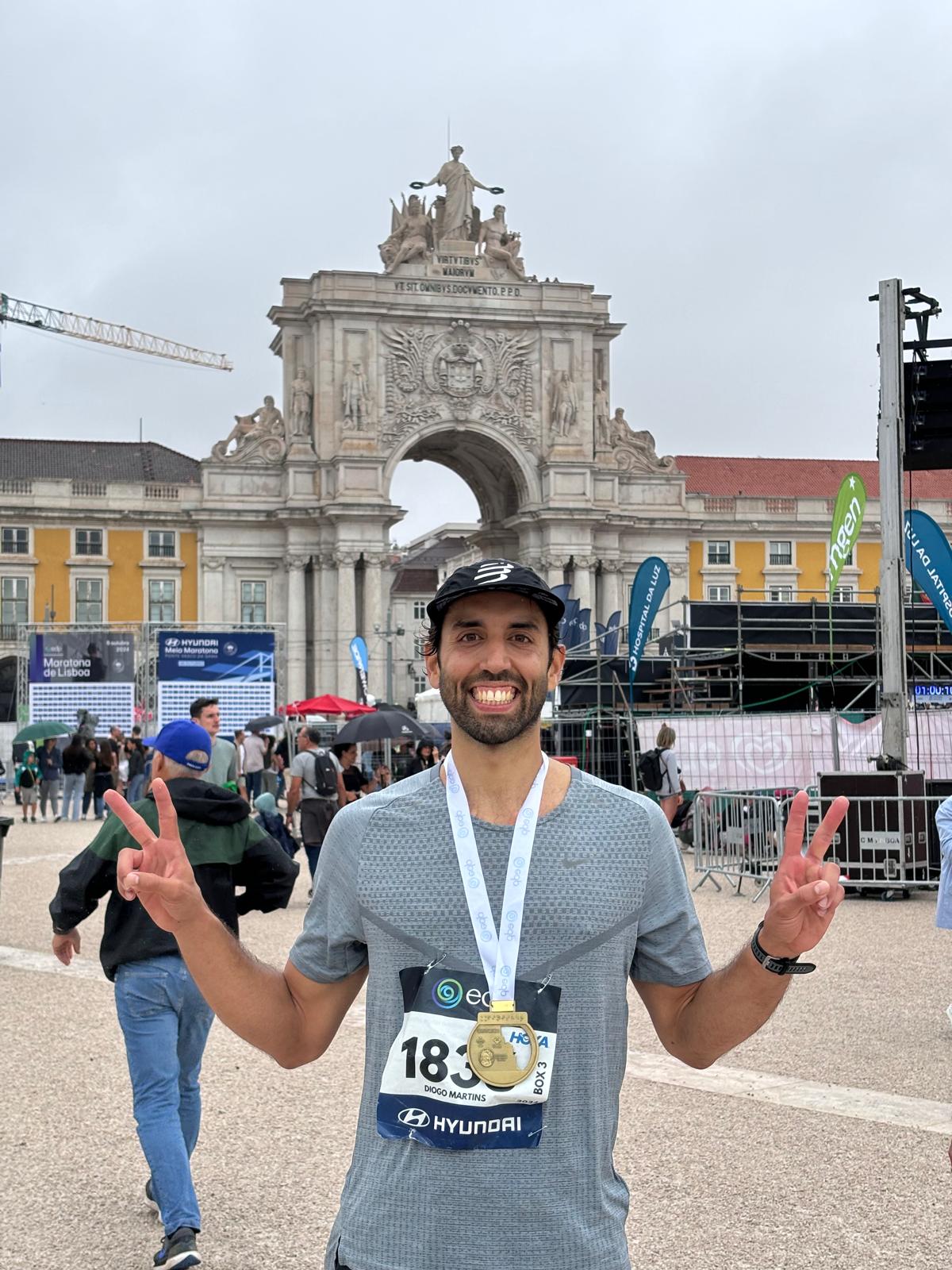
I clearly remember some seconds after stopping seeing the pacer for 3h15min passing in front of me and thinking “not even that time I am going to get…”. What allowed me to continue was the fact that I was carrying a small flask with water and electrolytes; I had some sips, the cramp was gone and I managed to resume my running. From there until the end I gave all I could, having some tears in my eyes at some point from seeing Duarte cheering up for me. The final 300meter I gave the last bits of energy to what at that moment felt like a huge sprint. In the end, I finished in 3h17mins37seconds.
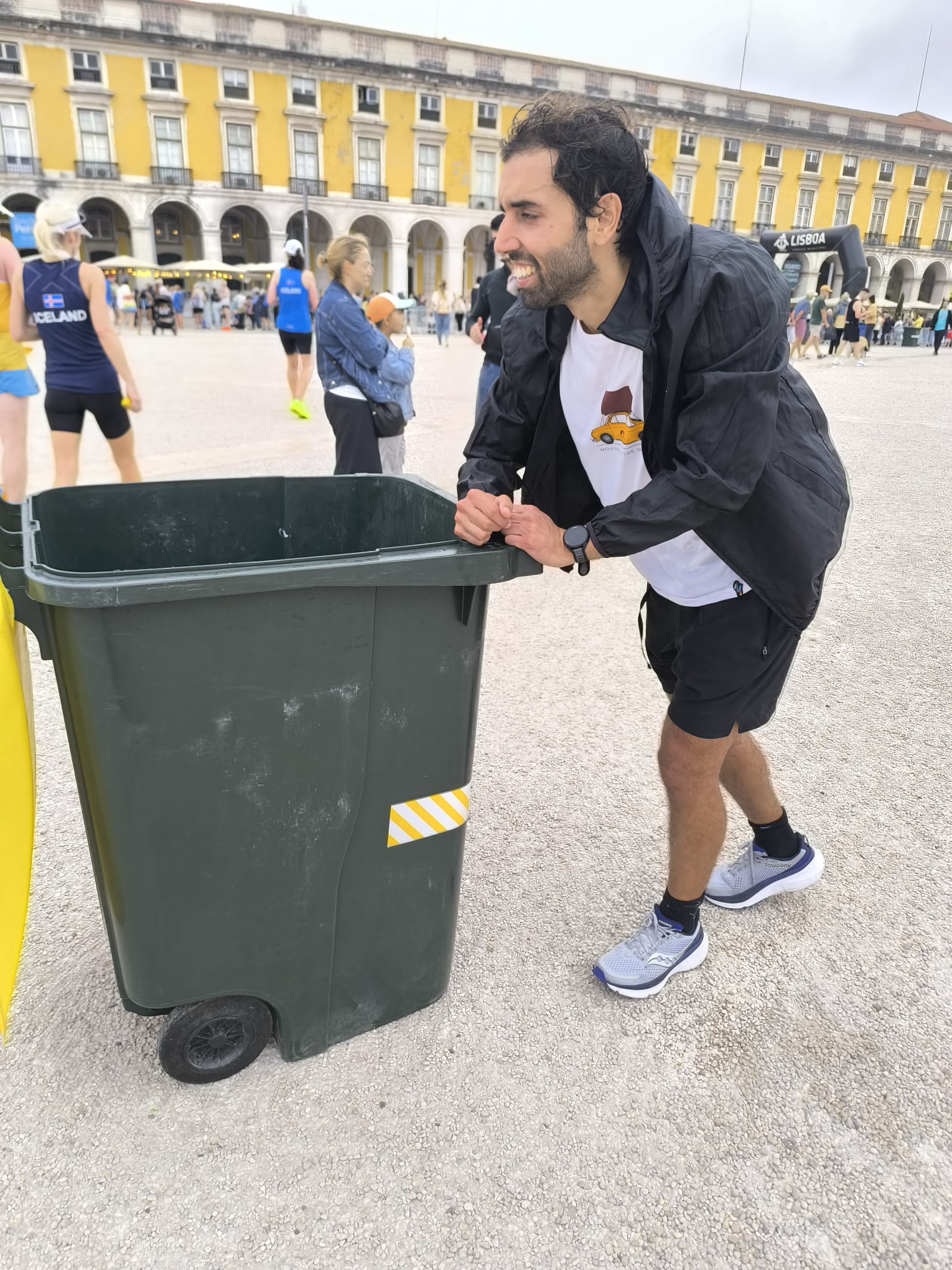
The worst came after the end, as it’s clear from my picture next to the trash bin. I felt super flat, a bit nauseous, my mouth dry as sandpaper despite all the water I tried to drink. I could barely walk on my own and only wanted to lay down. From all the crazy distances I have done after this run, I still think I never felt so bad after a race as with Lisbon’s marathon. The lack of food and hydration was really taking a toll on me. It was also the moment I drank Powerade for the first time ever and… it felt great. It marked a time in which Powerade became a must-carry item for all my ultra-marathons, my body reacts really well to it.
Some days after the marathon I felt this new energy flowing inside me. Despite all my thoughts while running and how I felt at the end, I had actually enjoyed the whole training process a lot and I felt really motivated to improve on the points I felt weak. At the same time, especially upon coming back to the Netherlands, I felt that I wanted to explore something else other than asphalt and be more in nature. Thus, I came for first time across the concept of trail running, something that would change me substantially.
Zevenheuvelnloop
📍 Nijmegen, Netherlands | 🏃 15km | ⛰️ Rolling “hills” | ⏱️ 59m 30s View on Strava →
I came across this race after searching for popular races in the Netherlands. The name translates to the run of the seven hills (“hills”) and is one of the oldest and most famous to do. After the marathon, it took me two weeks before I could run properly again, so I didn’t have that much time to do proper tempo sessions to get used to the pace I was planning to do. From my previous sessions, I knew that I could aim for a time below 1h02mins, as I had easily done the distance in 1h05mins during training.
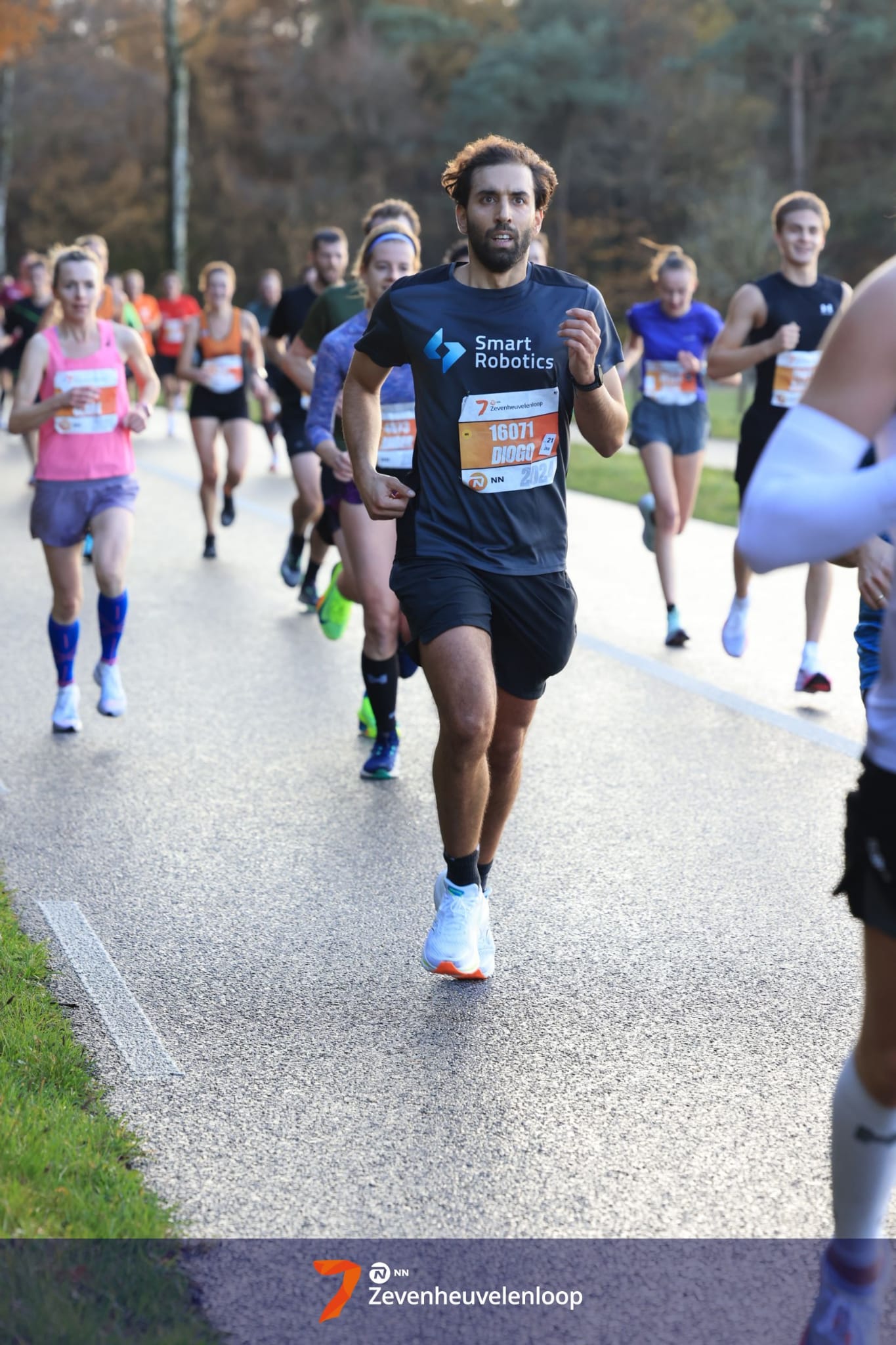
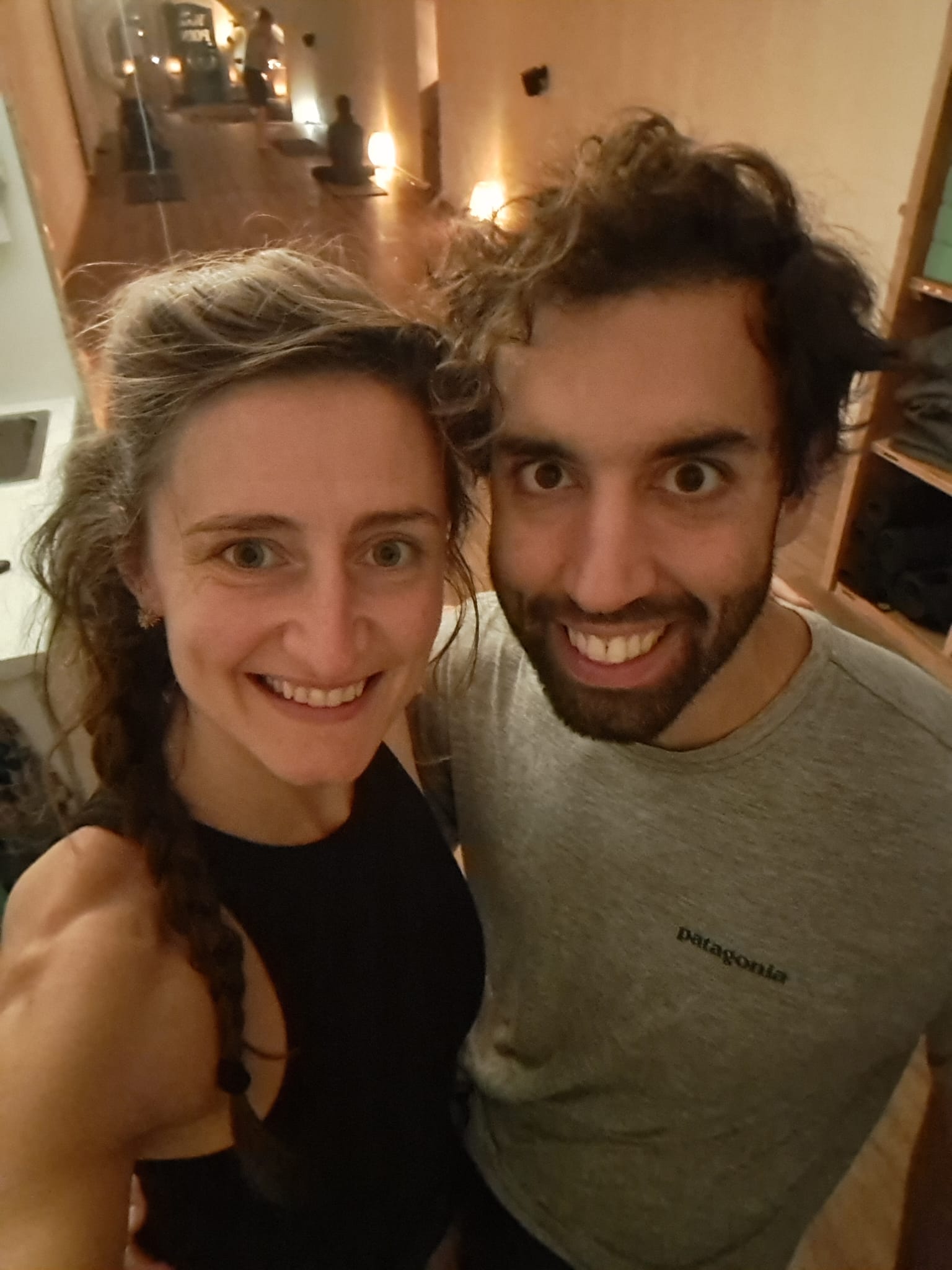
The last week of preparation was really special because it coincided with a yoga workshop in Utrecht with a teacher that has deeply influenced my yoga practice and view on it: Petri Raisanen. In the morning of the race I still did my full yoga practice and my body was feeling amazing. I went alone to Nijmegen (dutch city where the race takes place) and the train was super packed. I used that time to revisit a bit my strategy: not start too fast (remember the marathon), used it a training race to prepare the 50 kilometerss in two weeks and try to run below 1h02mins. When the race started I went super fast; first kilometer below 4:00mins/km and thought “well… let’s just go for it”. I felt amazing during the whole run and comfortably broke my 10k PR. One of the things I remember the most was how crazy downhill the last kilometers were, together with many people outside supporting the runners. This is still one of the races with best energy I have been to and it’s one of those I wanna keep on doing while I live in the Netherlands.
Utrecht Heuvelrug Ultra Trail
📍 Doorn, Netherlands | 🏃 50km | ⛰️ 425m elevation gain | ⏱️ 4h 28m 42s l View on Strava →
As mentioned above, soon after Lisbon’s marathon I started exploring trail running. I looked for places in the Netherlands and discovered that there are actually many spots with good conditions for trail running. I started by exploring first the Utrecht Heuvelrug, which is a natural park located close to Utrecht. There is a well-known and used route of approximately 31 kilometers that traverses the whole park.
I remember the first times I went there—the crunch of leaves underfoot, the scent of pine needles warming in the sun, the peace of being alone in nature. I immediately fell in love with the sport. It was a combination of all the things I love: being and losing myself in nature, exercising and a sense of adventure.
I then started browsing the internet for more stuff about trail running and became more and more fascinated about it. It was also the moment I became familiar with the concept of ultra-marathons/ultra-trails. There was something related with the idea of being for so long outdoors on a beautiful destination that had a huge impact on me. I ended up registering for the 50 kilometers in Utrecht’s Heuvelrug. I was quite excited and nervous, as for me it really sounded crazy going past 42 kilometers.
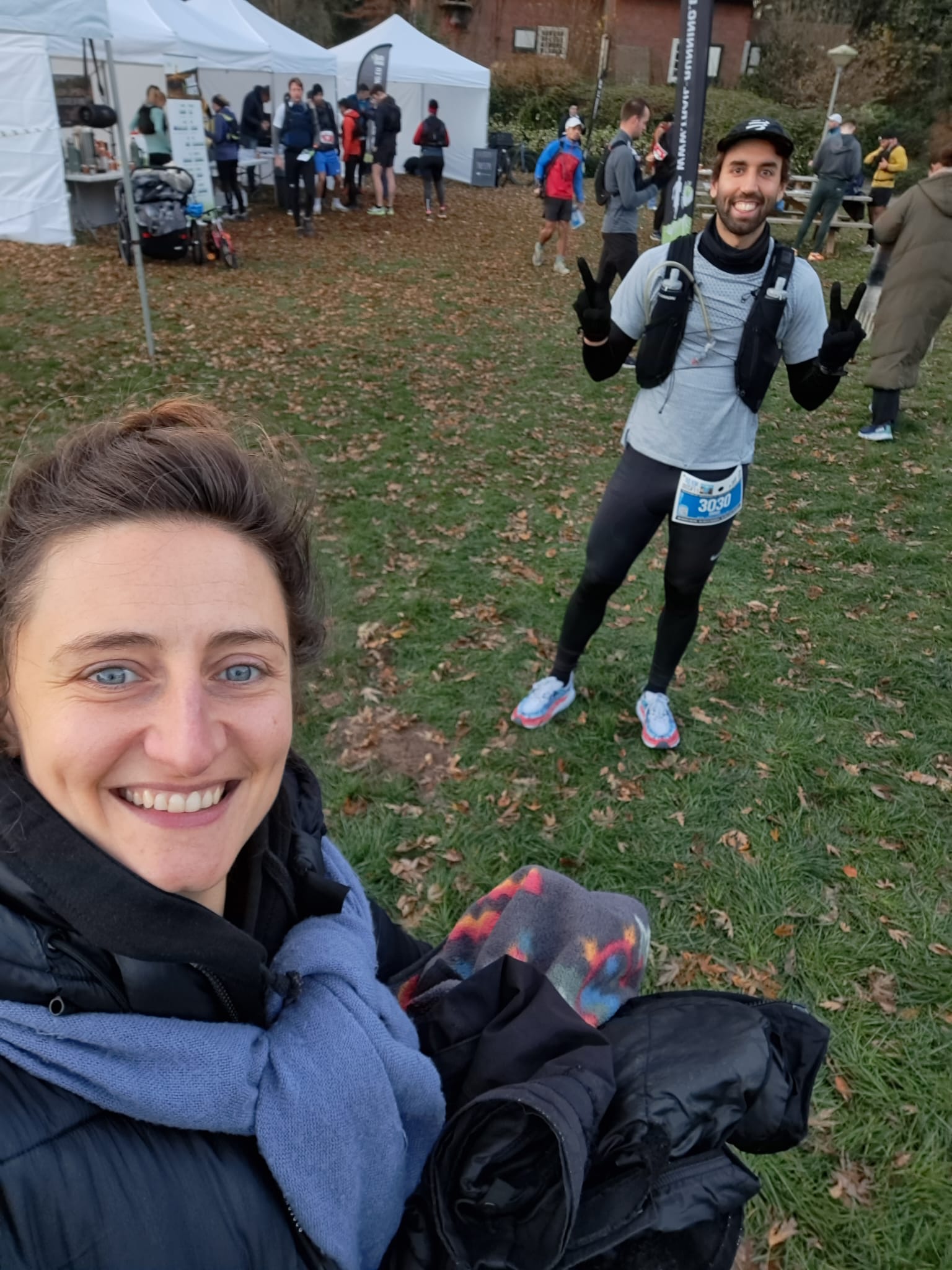
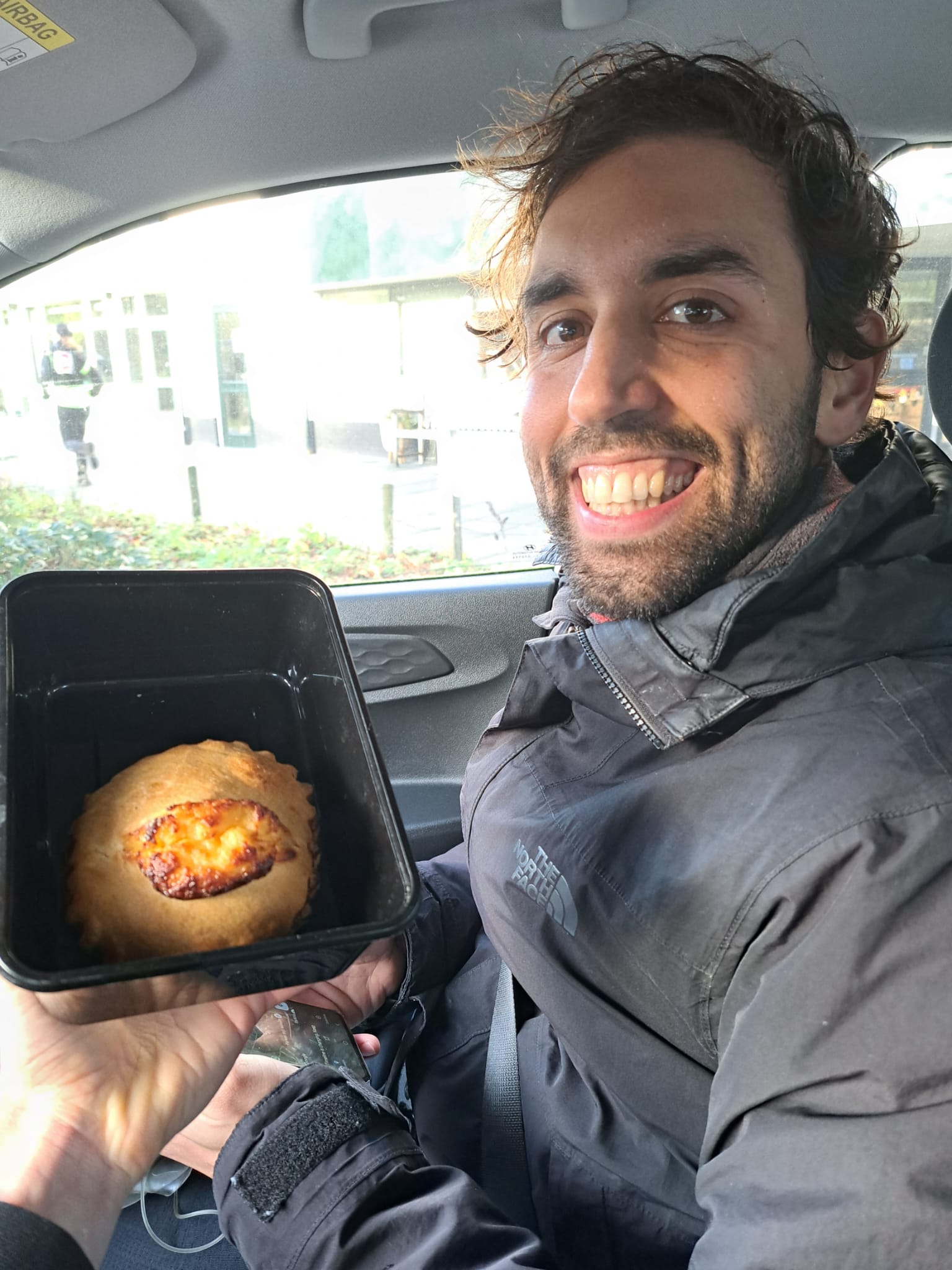
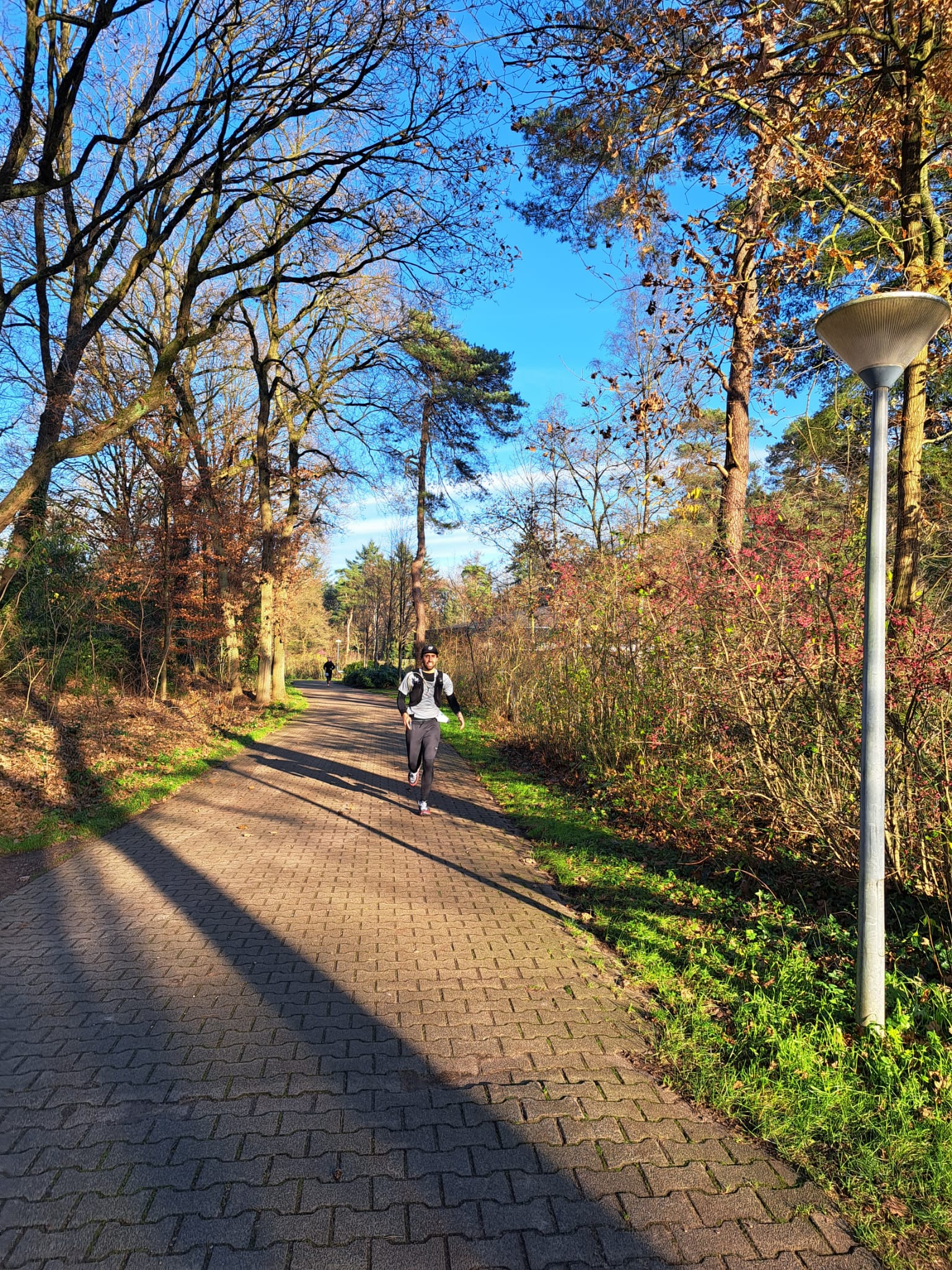
Before I do any race I always like to check the results of the previous years and get a sense of where I can fit in the table according to that. I was actually quite surprised when I saw that the first place, over the years for which results were available, was never “super fast”. Most of the time the winner did at a pace slower than 5:00km/min. I actually thought “I might have a chance of being in the podium”. With that in mind, I defined my race strategy: only stop at one station for water, try to stick to the first group until the marathon distance and after that, if I feel good, go for it. One interesting fact is that all my trail runs until that moment had been done in asphalt shoes. I would slip many times per run and never had the feeling of having good grip. On the week of the race I decided to buy trail shoes… based on gut feeling. I had seen how many people wear the Speadgoats, so I decided to blindly order them for myself too. They arrived 2 days before the race and I only did a 7 kilometers run on asphalt with them. Until today (October 2025) these are still my go-to shoe and I have never tried other ones.
I still have race day very clear on my mind. I rented a car so that Fanny and I could get to the start. Upon arrival, I noticed right away that the vibe was really different than a road race. People were eating a lot and there was a more relaxed and friendly atmosphere—the smell of coffee and energy bars filled the air, people chatting easily while adjusting their packs. The race went extremely well and according to plan. The first kilometers I kept myself close to the leading group (except for the person who got the overall first place; he had a huge time gap from the start); based on the pace of previous years and what I felt, I thought we were going too fast, so I let them go and kept loyal to my own strategy: the race would only start after the marathon. I was really enjoying the run and the people, everybody was quite warm and friendly, helping out each other with the navigation. It was after the last aid station that I exchanged some words with who I now know is Farley. A very friendly person with whom I share the passion for trail running.
Holding myself back was key for how the rest unveiled. As the kilometers went by, I kept on passing more people and once I got to the marathon distance there was only one person left in front of. As we all had trackers, I kept on checking where the person was and decided to really go for it. I passed the person who was then second at 2 kilometers before the end at the same time as Rob (someone I didn’t know at the time) passed me super fast and strong. Until this day I remember feeling his energy while approaching me and thinking about how strong he was. So, the result were two last super stressful and intense kilometers, with me doing the navigation on the phone to be sure I would not take a wrong turn, looking over my shoulder to ensure the guy behind would not pass me and still trying to pass Rob. My breathing ragged, legs burning, the sound of footsteps behind me pushing me forward even when every muscle screamed to stop. On the row of pics it’s clear on the right-most my stressful face trying to keep it all together. Once the race was over, I checked the table and I had actually won 1st place on my category/day, while being 3rd overall. I remember I had cramps on both legs and only a warm cup of bouillon—salty and comforting, the heat spreading through my cramping hands—helped me feel better. One last detail I cannot forget was when I approached the organizer of the race and I told him I won and he replied “Then you did quite well. Are you also planning on doing this in the mountains?”. These words are still in my mind because of two reasons:
⁃ The first sentence shows a lot of what trail is: we’re all winners by running, there is no need for a podium or awards. It’s all about the adventure and what we experience while we’re trail running
⁃ The mountains. I could actually do this in the mountains
My recovery went quite ok and my enthusiasm was really sky-rocking. I wanted to go further. I knew what I wanted to do and how to get there. Step-by-step.
The Numbers Don’t Lie: My 2024 Running Data
Plots from training 06/2024 -> 12/2024
- Rate of Perceived Effort (RPE) – How hard my perceived effort during the workout was
- Workout Feel – How strong/weak I felt during the workout
- Heart Rate (HR) vs. Pace – Average heart rate and pace per run
- Weekly distance – Total distance per week
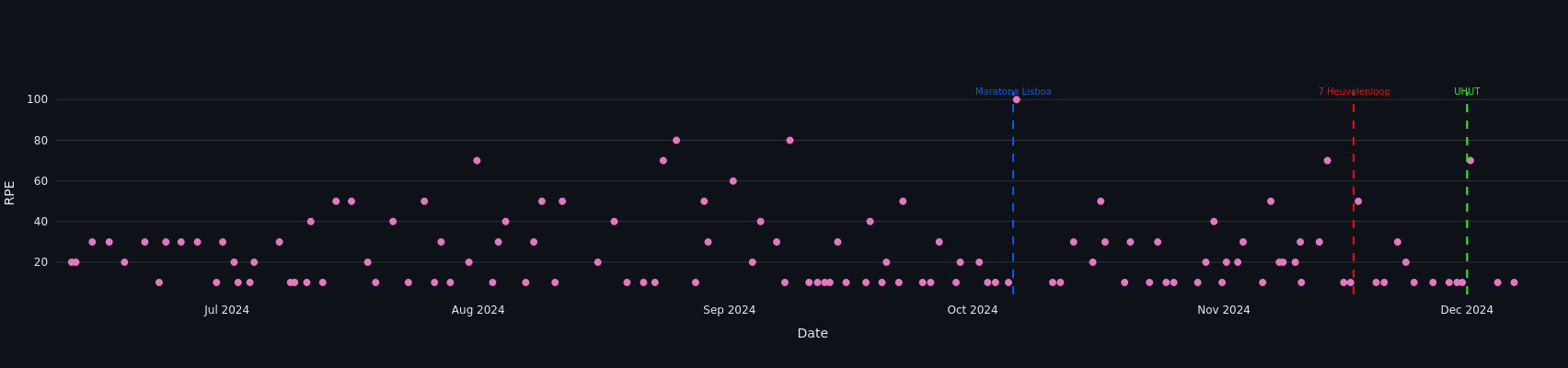
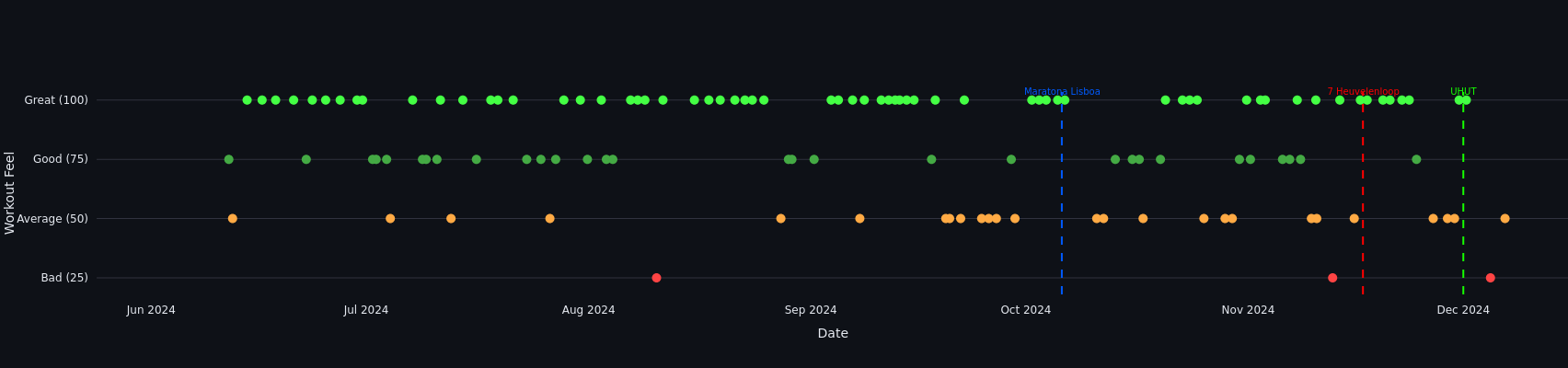
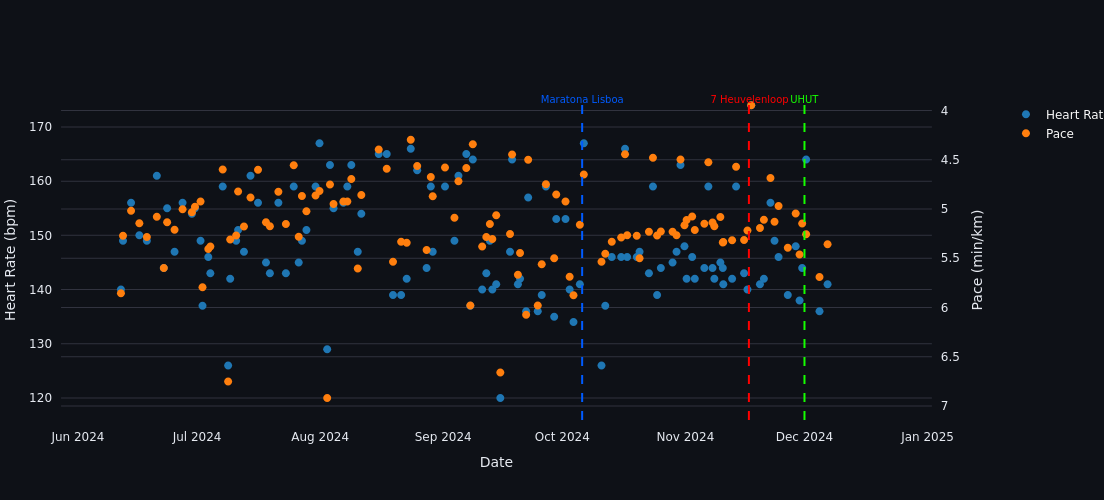
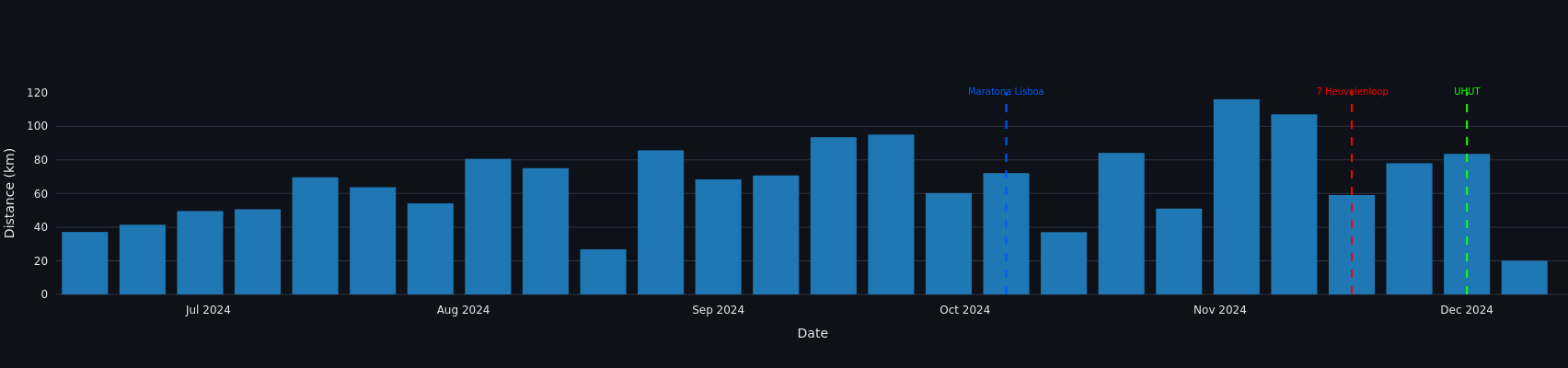
The plots above show many trends and interesting progressions of my training throughout the first months of running:
⁃ I was able to establish a structured and consistent training plan, with gradual increase in volume and speed/intensity towards Lisbon’s marathon
⁃ My progress is also visible by the downwards trend in the HR plot, in which it gets lower for the same or faster paces as training progressed. It means I was getting fitter – my heart didn’t have to work as hard for the same pace
⁃ Most of my runs felt “Light”—and that’s exactly the point. Building an endurance base isn’t about crushing yourself every day. Those occasional spikes into “Moderate” or “Hard”? Those were my weekly tempo or interval sessions. The consistency in keeping most runs easy is what allowed me to train week after week without burning out
⁃I felt great for the large majority of my training sessions. I actually never got sick nor injured during this training block, just had some sensitive ankles due to lack of strength training
What 2024 Taught Me About Running
Strength matters: those ankle warnings taught me that mileage alone isn’t enough—I need to build resilience.
Remain open to change: whether it’s adding carbs back or switching from road to trail, my best growth came from staying flexible.
The body knows: hunger, cravings, that pull toward nature—trusting those signals led me exactly where I needed to go.
But here’s what I’m still figuring out: How do you balance the desire to push limits with the wisdom to stay healthy long-term? I want to enjoy this sport long-term, not burn out in a few years or be chased by injuries. If you’ve found that balance, I’d love to hear how you think about it. Drop a comment or reach out—I’m all ears.
 Off Trail