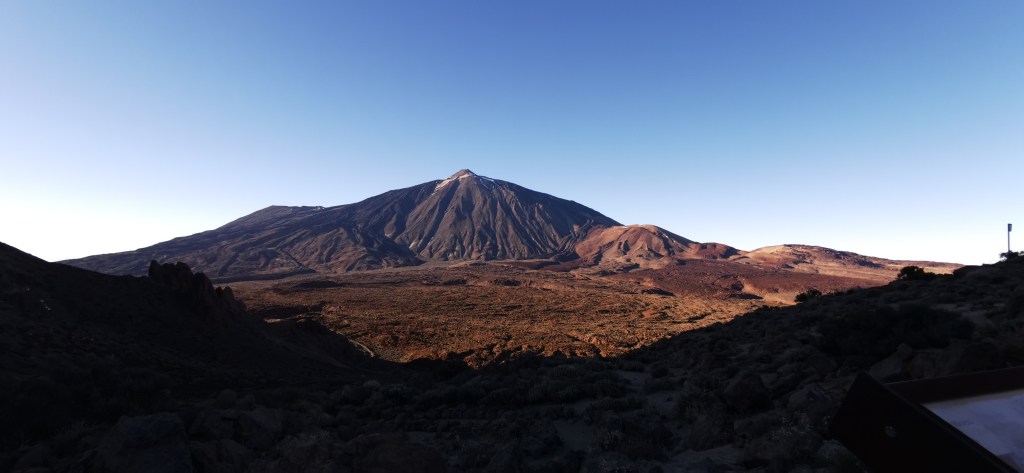
Tag along on this blog post about my one week training camp in Tenerife.
The intention
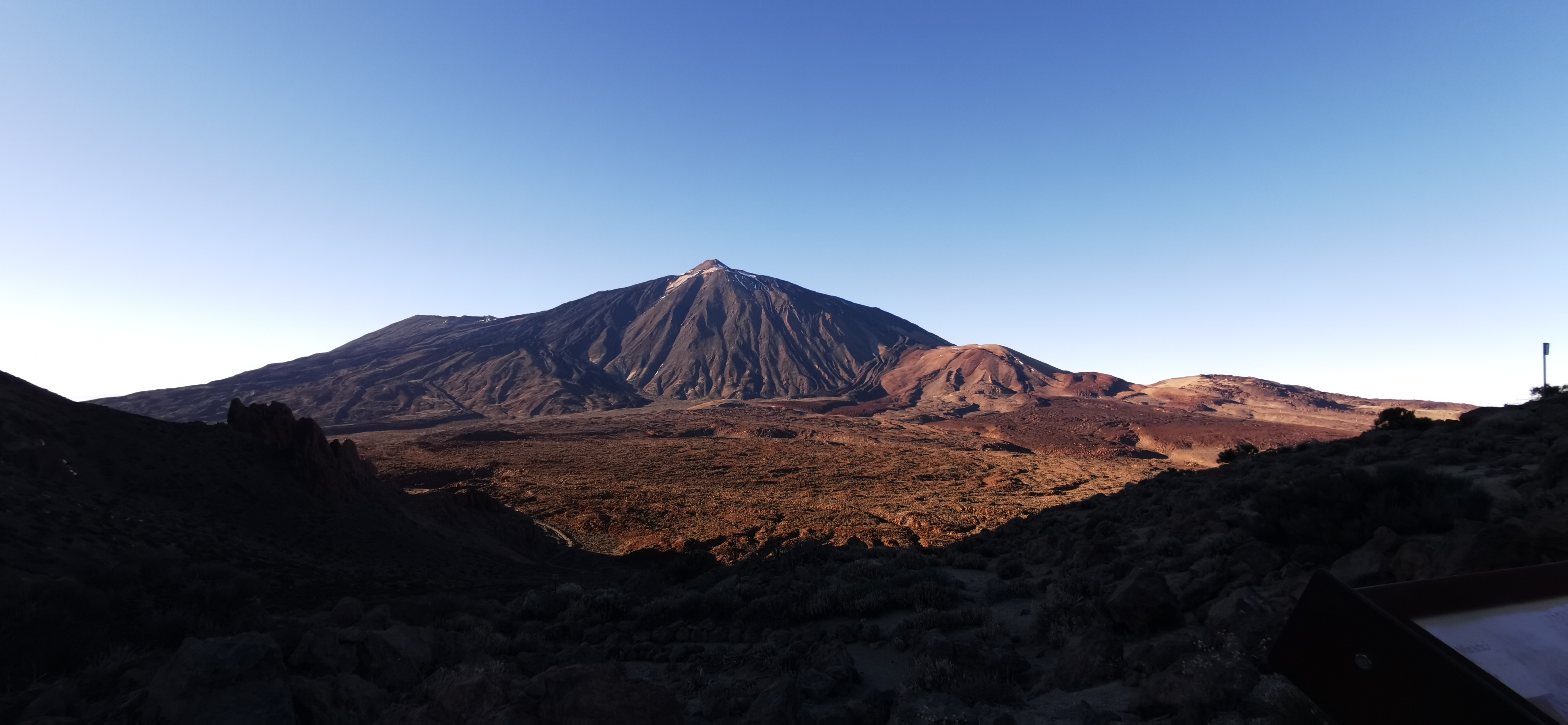
Last week I stayed in Tenerife in the small beautiful village of Vilafor de Chasna. I had a very clear goal for this week:
Push the boundaries of my trail running experience by spending as much time running in the mountains as I feel like it
Translating this into numbers, I had in mind reaching at least 200 km of distance and 10,000 m of elevation gain for the week. I got inspiration from reading the post by the G.O.A.T. Kílian Jornet on his training schedule for the 2019 season https://mtnath.com/training-and-racing-summer-2019/. I wanted to know how it feels to train like a pro athlete and how my body and mind would handle that.
My sub-goal was to do as much of the Tenerife Blue Trail course as possible, as I’ll be running it this year in March. Therefore, I wanted to mostly focus on continuous ascents and technical descents (my weakest point).
However, I am not a pro athlete, far from it. Therefore, the biggest challenge was that I had to combine a tough training schedule with remote working and other important aspects of my life, like keeping in touch with my love Fanny, my family, and still trying to find some time to enjoy being in Tenerife.
The plan
So, how did I plan this? Given that I also needed to work and feel recovered to run day after day, it was very important to find predictability in the routes I did. That would allow me to know at what time I would be back, being able to stick to the schedule. Therefore, for the weekdays I defined two loops of 12 and 18 km each. Both routes pass through important parts of the race and contain continuous ascents and technical descents.
The table below shows the planned distance split per day.
| Day | Distance |
| Monday, Tuesday, Wednesday, Thursday | 12kms in the morning + 18kms in the afternoon |
| Friday, Saturday | Single run of 40 to 50kms |
A typical week day looked like this:
5:20 → Alarm goes off
6:00 – 7:30 → Morning run (view on Strava)
8:00 – 16:30 → Work
17:00 – 19:15 → Afternoon run (view on Strava)
20:00 → Dinner
21:30 → Sleep
The execution
Working days
The working days went by quite fast; I felt like I was going from one scheduled appointment to the other. A challenging part was ensuring I was getting enough calories — I had to eat a lot. I burned almost 5,000 calories per day on average; that’s a lot of food. Although I try to eat as healthily as possible, I really had to indulge in pastries and cookies from Dulcería Hermano Pedro to ensure I was getting enough food in. The big bulk of the calories came from big portions of pasta, oats and rice together with Spanish cheese and jamón.
To help boost recovery, I also added 20-minute power naps after lunch. Getting enough sleep is something so underestimated by many people, but it helps tremendously. Setting a fixed time to stop using my phone at night also helped ensure I was in bed by 21:30.
The running itself went quite well. I felt I was getting stronger and learning about both uphill and downhill running by the day. In the end, to become better at something, there’s nothing better than spending as much time as possible doing it.
Long running days
For the two days I had available to do long runs, I had two clear goals:
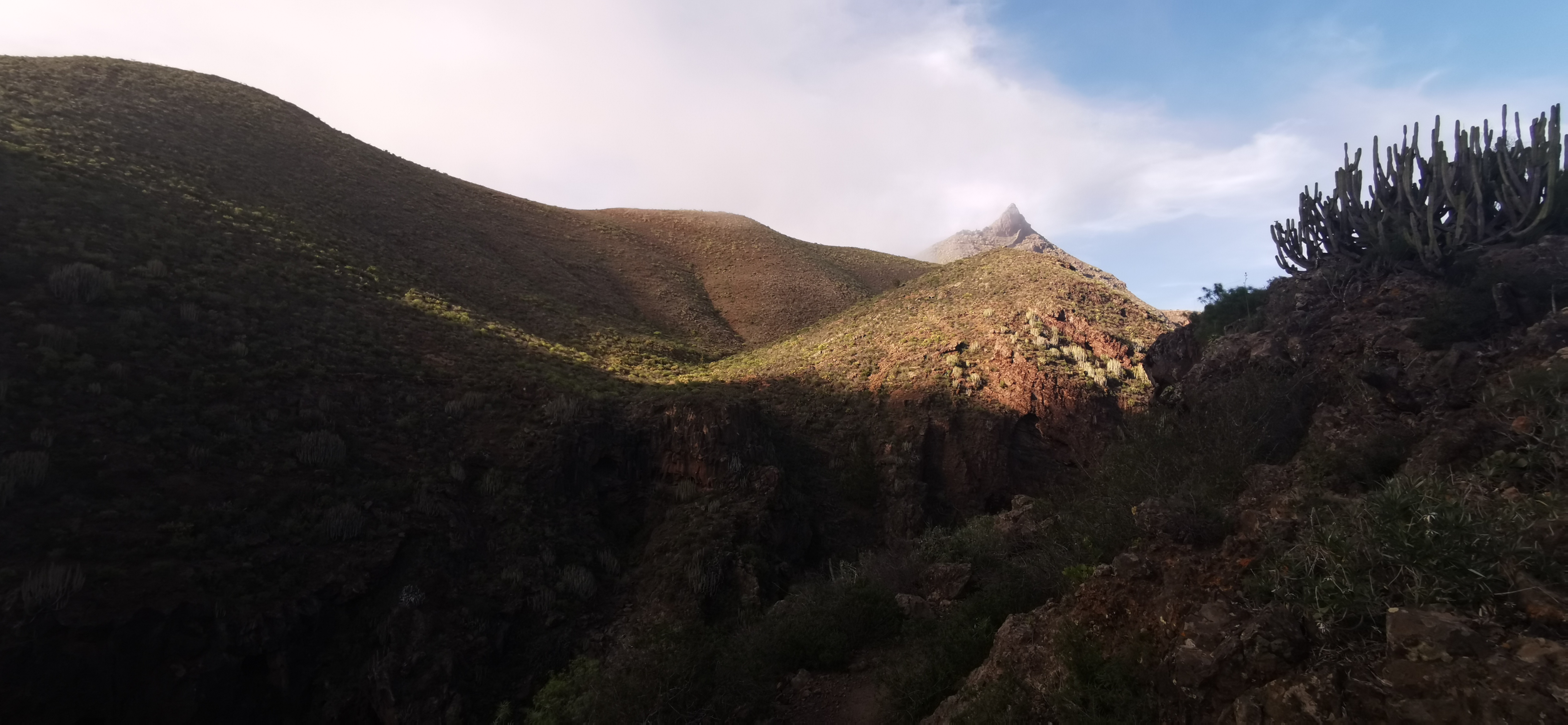
Do the long long uphill from Arona to Guajara: this would give me exposure to 3000m of D+ in one go and do a long part of the race course. It was also my main training to focus on race-specific nutrition (view on Strava)
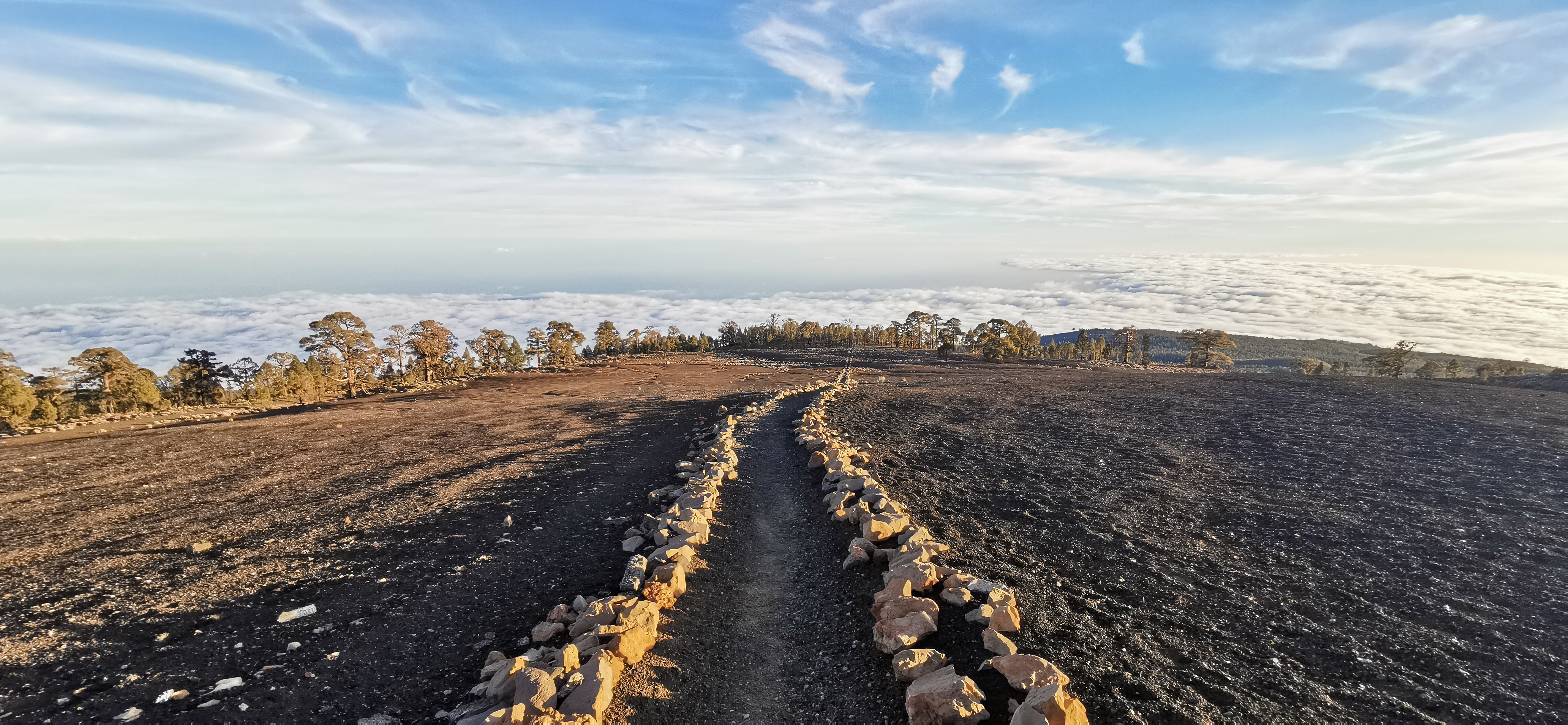
Go the top of Teide: this would also expose me to running at more than 3000m and see how I react to higher altitude (view on Strava)
Both runs went super well. The first one I did alone at a pace that even I was surprised by — it went so smoothly. I really improved my uphill running technique of taking small steps. This feels more comfortable and easier to maintain the intensity compared to power hiking. Somehow I can keep the pace at a much lower perceived effort.
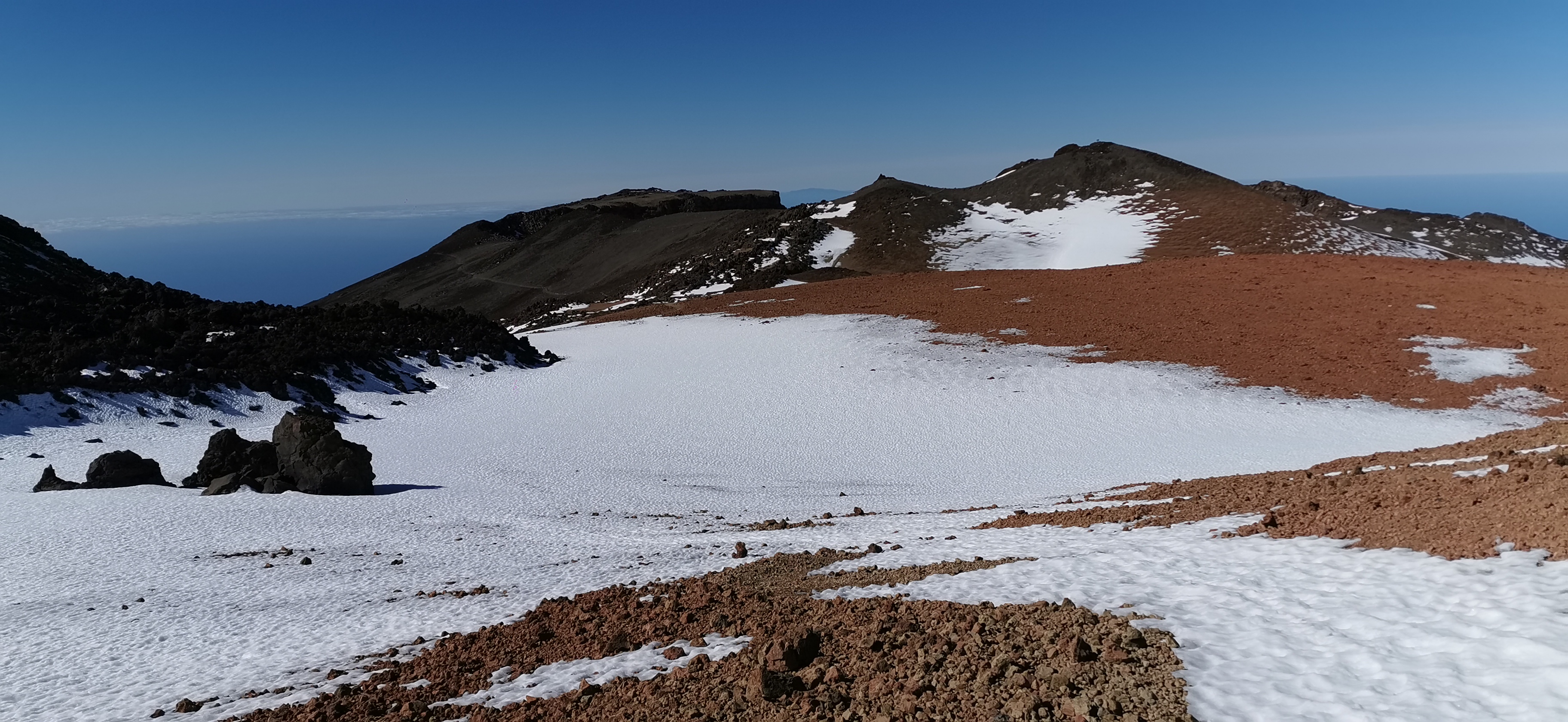
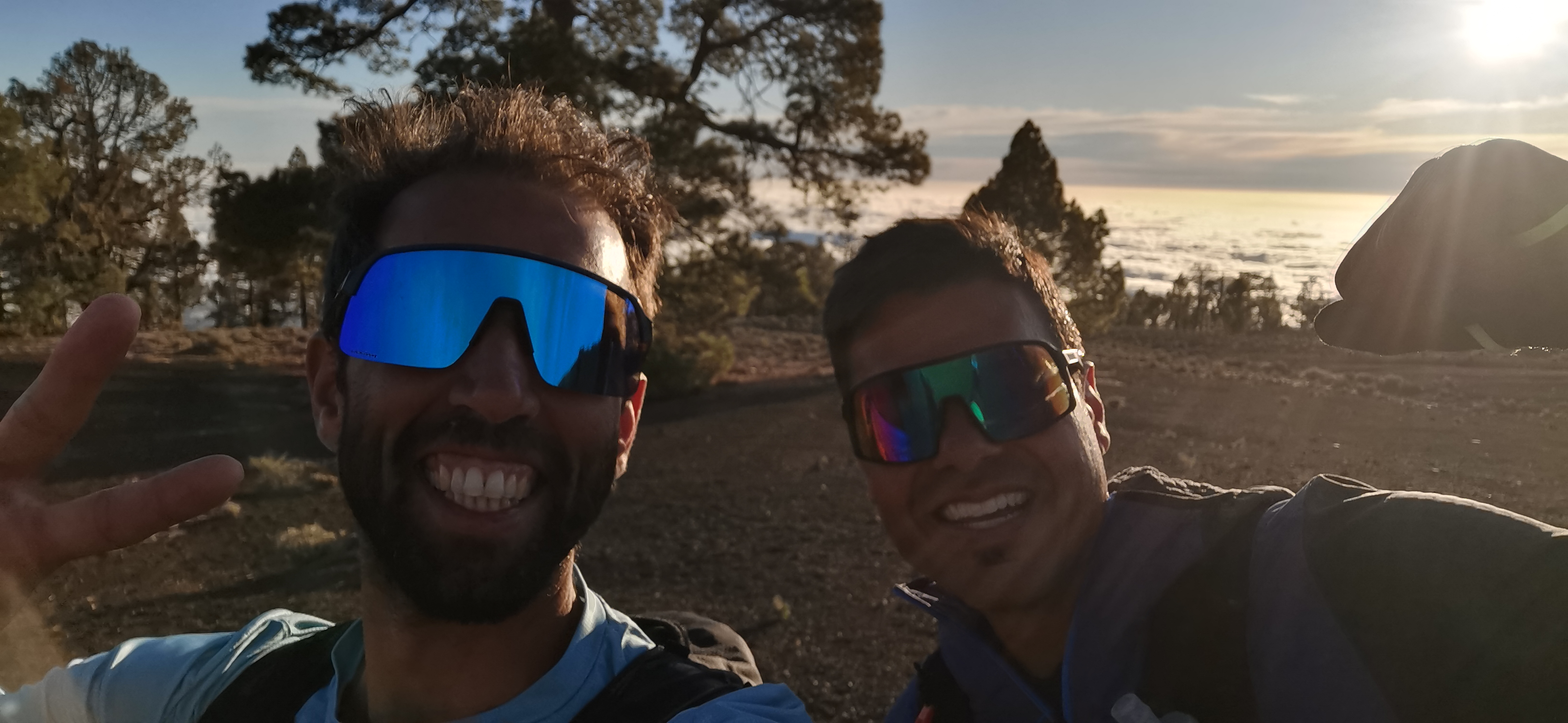
The Teide ascent was done together with Juan García, a very strong runner from Tenerife I had the chance of meeting in real life after following each other on Strava for almost a year. That training was a great adventure, as the top of the volcano was covered in ice, making some sections quite dangerous since we didn’t have crampons and it was super slippery.
Both long runs felt really good. I recovered very well from one effort to the other and didn’t have that much pain.

The costs
I tried my best to keep the costs down. Therefore, I stayed in a shared hostel, relied on public transport and bought all of of my food at the supermarket. The biggest chunk went to flights, which is unavoidable, but everything else was surprisingly affordable. Here’s the full breakdown:
Supermarket: 49.58 €
Training fuel:
⁃ Baby food → 26 €
⁃ Gels → 6.60 €
⁃ Solid bars → 5.30 €
Shared hostel for 7 nights: 195.30 €
Transportation:
⁃ Cable car down → 23 € (unplanned — we were forced to take it to come down as the trail was closed due to ice)
⁃ Bus to/from Vilaflor to the airport → 6 €
⁃ Buses to Arona to the start of the trail → 7.25 €
Flights to/from Tenerife including hand luggage: 255 €
Week Total: 574.03 €
The aftermath
The week totals were:
🏂 208.1kms of trail running
⏳ 27h59m56s spent trail running
🏔 12928m of elevation gain
🧀 18067kcal spent trail running
Biggest takeaways
Rest and enough calories are really important. Burning close to 5,000 kcal per day means you need to eat constantly — and not just healthy food. The pastries from Dulcería Hermano Pedro became a genuine part of my recovery strategy. Equally, the 20-minute power naps after lunch made a noticeable difference to how I felt on the afternoon runs. Without prioritizing sleep and nutrition, I don’t think I could have sustained this for a full week.
I can do it. This was the big one. I set out to train like a pro for a week — 200+ km, 12,000+ m of elevation, all while working full-time — and I actually pulled it off. Before this week, I wasn’t sure my body could handle that 18067kcal kind of volume. Now I know it can, and that gives me a lot of confidence going into the Tenerife Blue Trail.
La Sportiva Prodigio Pro have an amazing foam. After using three pairs of Speedgoat 6 – the shoe I can run endlessly without having blisters or pain – I set out to try this model and it did not disappoint. The foam is much more reactive than the HOKA one and each step feels smooth and powerful at the same time.
I made huge progress in many aspects in one year. Looking back at where I was a year ago, the difference is striking. My uphill technique, my ability to recover between efforts, my comfort on technical descents — all of it has improved dramatically. This week was proof that consistent training really does pay off.
Do not do routes for which no trail shows on the map.This has been a recurrent issue for me while trail running. I check the route online, see that there’s nothing marked on map but still decide to do the course. Consequently, ended-up doing 5 extra kilometers after getting lost in the dark in the middle of the woods.
What’s next
This week in Tenerife exceeded all my expectations. I came in hoping to survive the training load and left feeling stronger, more confident, and genuinely excited about what’s ahead. The Tenerife Blue Trail in March is now the clear next goal and thanks to this camp, I’ve already covered large parts of the course and know what to expect from the climbs and descents. Now it’s about giving myself time to recover from it, staying consistent, staying healthy and showing up on race day ready to give it everything.
 Off Trail